

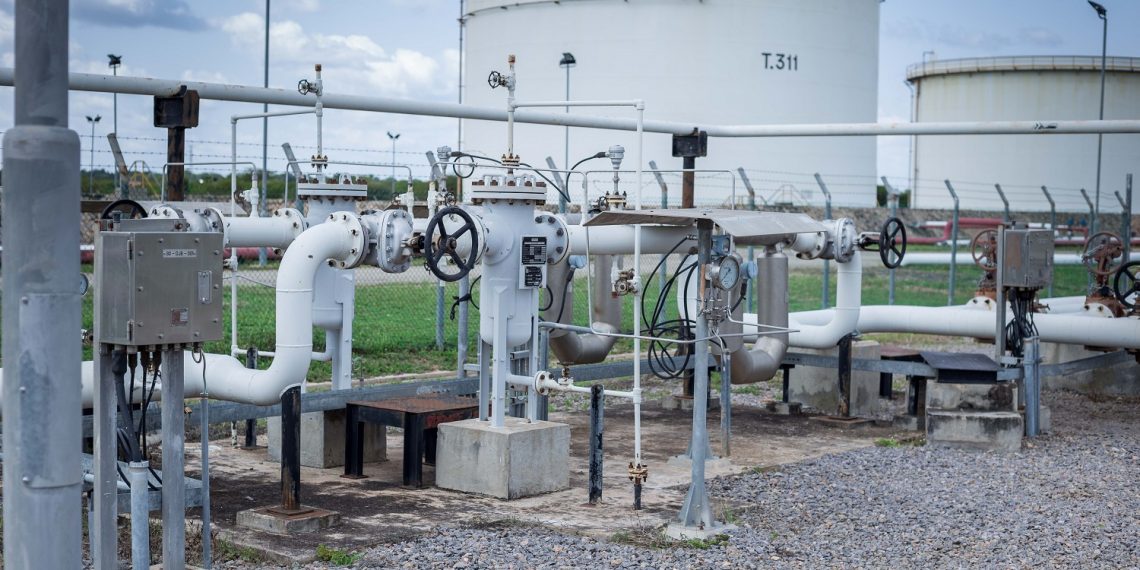
Story: Business Desk
Ghana’s state-owned fuel distributor BOST Energies has cut diesel and gasoline exports to neighbouring Burkina Faso and Mali since August, prioritising domestic demand, Managing Director Afetsi Awoonor has said.
Mr Awoonor told Reuters on Wednesday, September 16, that BOST supplied only half of the 80,000 metric tonnes of fuel requested by Burkina Faso in July and August.
During the same period, BOST exported 10,000 tonnes of fuel to Mali, although the country had requested an additional 40,000 tonnes for August and September, he said.
Mr Awoonor said rising diesel consumption in Ghana, where BOST has a 30% market share, had increased pressure on supplies as economic activity expanded.
“Supply is available, but it’s at a high cost,” he said, adding that sharp increases in demand had strained supplies and complicated efforts to keep domestic fuel prices stable.
Diesel accounts for about two-thirds of BOST’s supplies, he said.
Ghana’s fuel prices rose earlier this year amid global supply concerns but have since eased, helped by a stronger cedi and government intervention.
Mr Awoonor also said BOST plans to build an LPG terminal in Tema by the fourth quarter of next year and begin importing cooking gas.
The company also plans to build an LPG storage facility in Kumasi to support distribution, with terminals planned at six locations in phases, he said.



14 thoughts on “BOST stops fuel exports to Burkina Faso, Mali over domestic demand ”
Prioritising Ghana’s domestic fuel needs is understandable, but supplying only half of Burkina Faso’s requested 80,000 metric tonnes could strain regional trade relations. BOST should communicate clear export criteria and timelines to help Burkina Faso and Mali plan alternative supplies.
Tôi sẽ lưu lại để đọc kỹ hơn cricfy tv apk TONY09-29
BOST’s decision to supply Burkina Faso only half of its requested 80,000 metric tonnes while prioritising Ghana’s domestic market highlights the pressure on regional fuel supplies. The 10,000 tonnes exported to Mali also shows how difficult it is to balance regional trade with local demand.
Prioritising Ghana’s domestic fuel needs is understandable, but supplying only half of Burkina Faso’s requested 80,000 metric tonnes highlights how significant the regional impact could be. BOST should communicate clearly how long the export restrictions are expected to last and how they may affect neighbouring markets.
Prioritising Ghana’s domestic fuel demand is understandable, but cutting Burkina Faso’s allocation to half of its requested 80,000 tonnes could have serious regional supply and price implications. BOST should communicate clear timelines for when exports may resume.
Prioritising Ghana’s domestic fuel demand is understandable, but cutting Burkina Faso’s requested 80,000 metric tonnes by half could put added pressure on regional supply chains. BOST should communicate clear timelines for restoring exports so neighbouring markets can plan accordingly.
Prioritising Ghana’s domestic fuel needs is understandable, but cutting Burkina Faso’s supply to half of its requested 80,000 metric tonnes could strain regional energy security. BOST should communicate clear timelines for restoring exports while ensuring local demand remains fully covered.
Prioritising Ghana’s domestic fuel demand is understandable, but supplying Burkina Faso only half of its requested 80,000 metric tonnes could deepen shortages across the region. BOST should communicate how long the export restrictions may last and what measures are being taken to stabilise local supply.
Cutting exports to half of Burkina Faso’s 80,000-tonne request highlights how sharply domestic fuel demand is pressuring BOST’s supply commitments. The decision may protect local availability, but it also risks fuel shortages and higher prices in Burkina Faso and Mali.
Prioritising Ghana’s domestic fuel needs is understandable, but cutting exports to Burkina Faso and Mali could put further pressure on supply and prices in those markets. BOST should communicate clear timelines for restoring normal export volumes.
Cutting exports to half of Burkina Faso’s 80,000-tonne request highlights how strongly domestic fuel demand is pressuring BOST. The decision may protect local supply, but it could also create shortages and price concerns in both Burkina Faso and Mali.
BOST’s decision to supply only half of Burkina Faso’s requested 80,000 metric tonnes highlights the pressure Ghana is facing in balancing regional commitments with domestic fuel demand. This could also push Burkina Faso and Mali to seek more expensive alternative supplies.
It makes sense for BOST to prioritise Ghana’s domestic fuel needs, but cutting Burkina Faso’s allocation to half of its 80,000-tonne request could create serious supply and pricing pressures in the neighbouring market. Clear communication about how long the export restrictions will last would help both countries plan.
Prioritising Ghana’s domestic fuel demand is understandable, but supplying Burkina Faso only half of its requested 80,000 metric tonnes could have wider regional effects. BOST should communicate a clear plan for restoring exports once local supply stabilises.