Story: Business Desk
Ghanaian businesses importing goods from China can initiate eligible payments from their Ghana cedi accounts under a new banking arrangement being piloted by Stanbic Bank Ghana, as the Bank of Ghana (BoG) seeks to reduce the country’s reliance on the US dollar for bilateral trade.
Governor of the Bank of Ghana (BoG), Dr Johnson Pandit Asiama, disclosed the initiative at the 132nd Monetary Policy Committee press briefing, saying Ghana Commercial Bank (GCB) was also preparing a similar service.
The arrangement offers businesses a more direct route to settle payments to Chinese suppliers in yuan without first having to source US dollars, potentially easing one of the foreign exchange hurdles associated with importing from China.
Responding to a question about bilateral trade with China, Dr Asiama said the central bank was taking developments in the payment system seriously as commercial ties between the two countries expanded.
“As a central bank, we’re doing a number of things. You might have heard about one of the banks. What’s the name? Stanbic.
“They are piloting a programme whereby our exporters, our importers, no longer have to carry US dollars on them to go and pay for their imports. They can actually pay in Ghana Cedis right from here. And so, as we speak, if you want to buy anything from China, just go to Stanbic Bank with your Cedis,” he explained.
Stanbic’s service uses China’s Cross-Border Interbank Payment System (CIPS), a network designed to facilitate cross-border payments in Chinese yuan.
Under the arrangement, eligible customers can initiate yuan payments from their existing Ghana cedi accounts, subject to the bank’s requirements and applicable regulations. The Chinese supplier receives payment in yuan.
Businesses seeking to use the service must hold an account with Stanbic Bank Ghana, select Chinese yuan as the payment currency and submit the required supporting documents.
According to the bank’s published guidance, eligible payments submitted with complete documentation by 2 p.m. GMT can be processed for settlement by the next business day, subject to regulatory and compliance requirements.
The payment route is intended to reduce the need for multiple foreign exchange conversions and make transactions between Ghanaian businesses and Chinese suppliers more straightforward. It does not, however, remove the need to meet documentation, compliance and other applicable payment requirements.
The planned participation of GCB could broaden access to the arrangement if the bank introduces its own service as indicated by the BoG Governor.
It presents importers with the immediate possibility of settling eligible invoices without first obtaining US dollars. Businesses that regularly purchase machinery, electronics, industrial inputs, textiles and other merchandise from China could benefit from a more direct payment channel.
The actual savings will depend on exchange rates, transaction fees, the nature of the payment and the terms offered by individual banks.
The new arrangement should therefore be seen as an alternative payment route, rather than a guarantee that every transaction will be cheaper.
It also does not mean that the US dollar has been removed from Ghana-China trade. Dollar payments and other established international payment channels remain available, while the yuan route applies to eligible transactions.
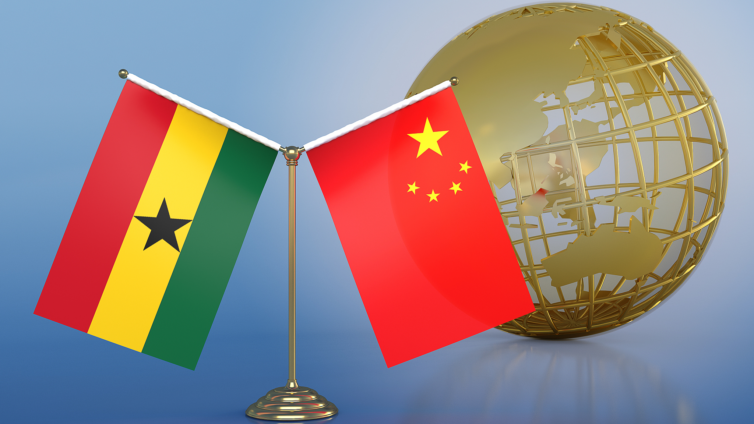
The initiative comes as Ghana and China seek to expand economic ties and improve access to each other’s markets.
China’s zero-tariff initiative for African countries with which it has diplomatic relations took effect on May 1, 2026. The policy extends preferential zero-tariff treatment to eligible African exports entering the Chinese market, with the arrangements for countries that are not classified as least developed applying for an initial two-year period.
The measure could create opportunities to reach Chinese buyers, subject to the relevant product and customs requirements.
The two developments could complement each other as businesses explore opportunities to increase exports and imports, although neither guarantees that trade will grow without improvements in competitiveness, logistics, product standards and access to finance.